Research Domains
Neurobiology of Substance Use Disorders:
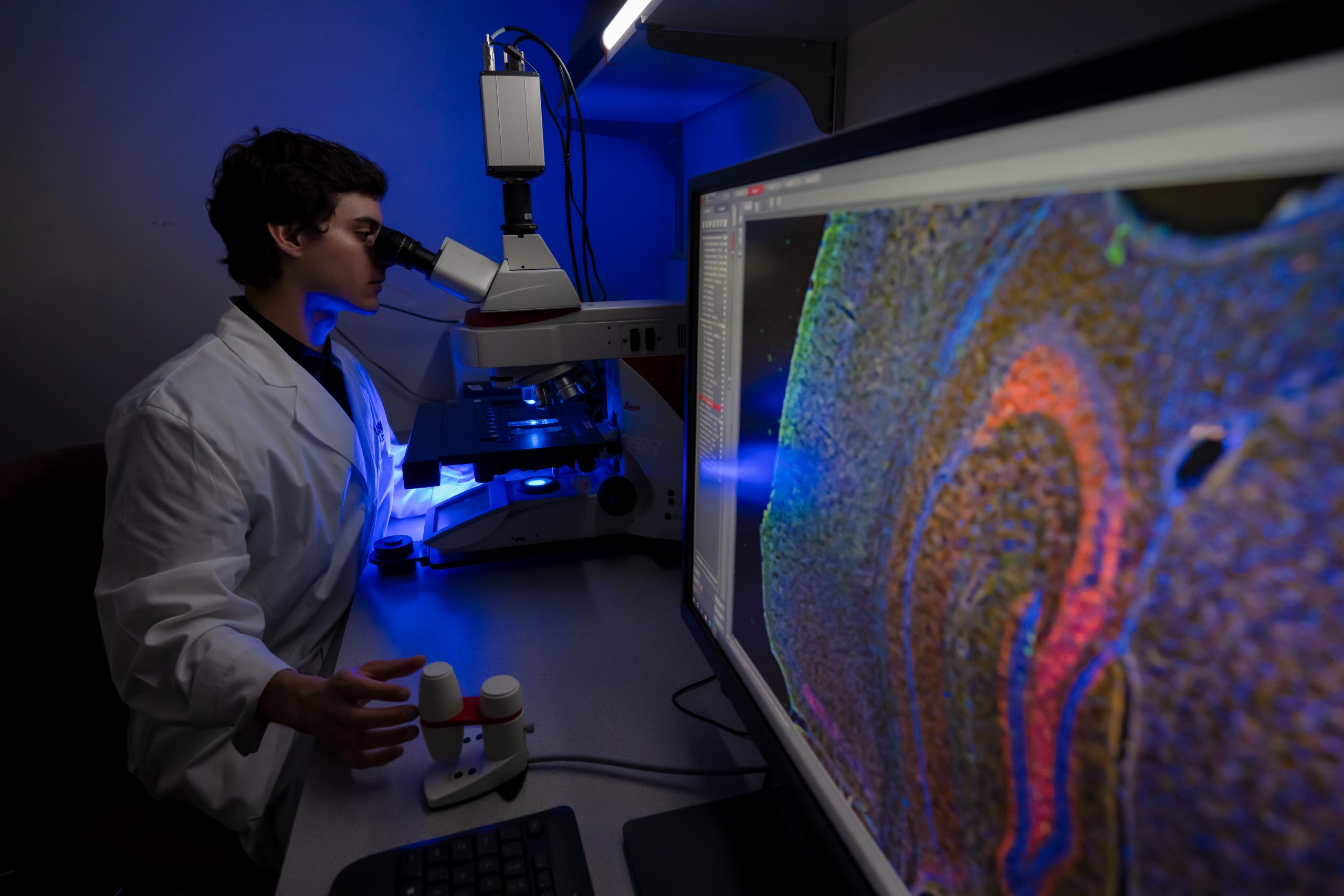
We investigate how specific neural circuits, neurotransmitter systems, and molecular pathways contribute to the initiation and maintenance of substance use, as well as relapse. Studies often utilize advanced behavioral, neuroimaging, optogenetics, electrophysiology, and molecular biology techniques to: 1) Map addiction-related brain circuits, 2) Identify molecular signatures of chronic drug exposure, 3) Understand the neuroadaptations that underlie drug craving and compulsive use. These insights are essential for identifying novel therapeutic targets and understanding the biological basis of vulnerability to addiction.
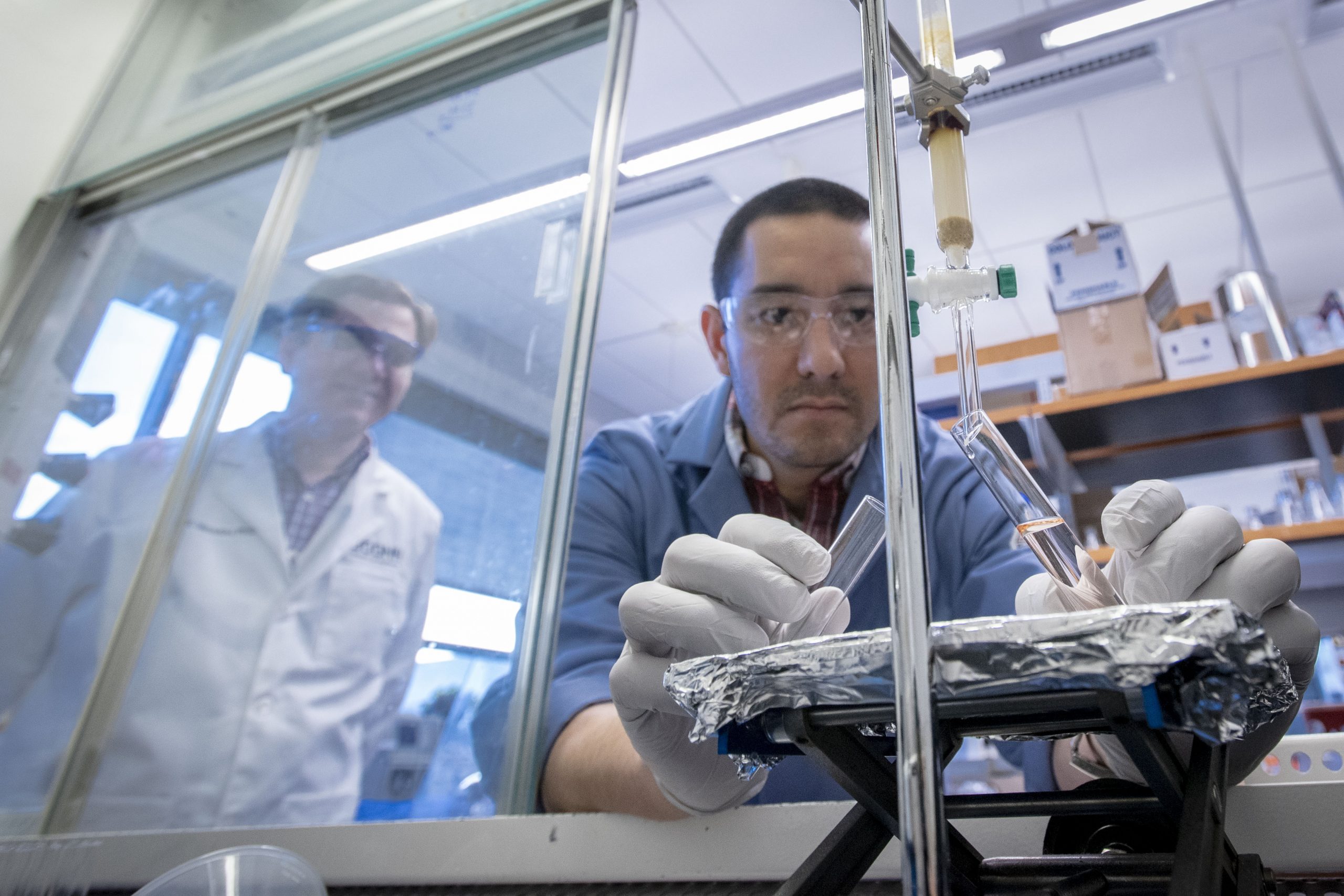
Drug Discovery:
This research involves identifying and developing new compounds or biologics that can prevent or reverse the effects of addictive substances. By leveraging cutting-edge technologies such as high-throughput screening, computational modeling, and structure-based drug design, we aim to: 1) Discover small molecules, peptides, or nucleic acids with therapeutic potential, 2) Explore repurposing existing medications for treating substance use disorders, 3) Develop tools to modulate specific addiction-relevant pathways.
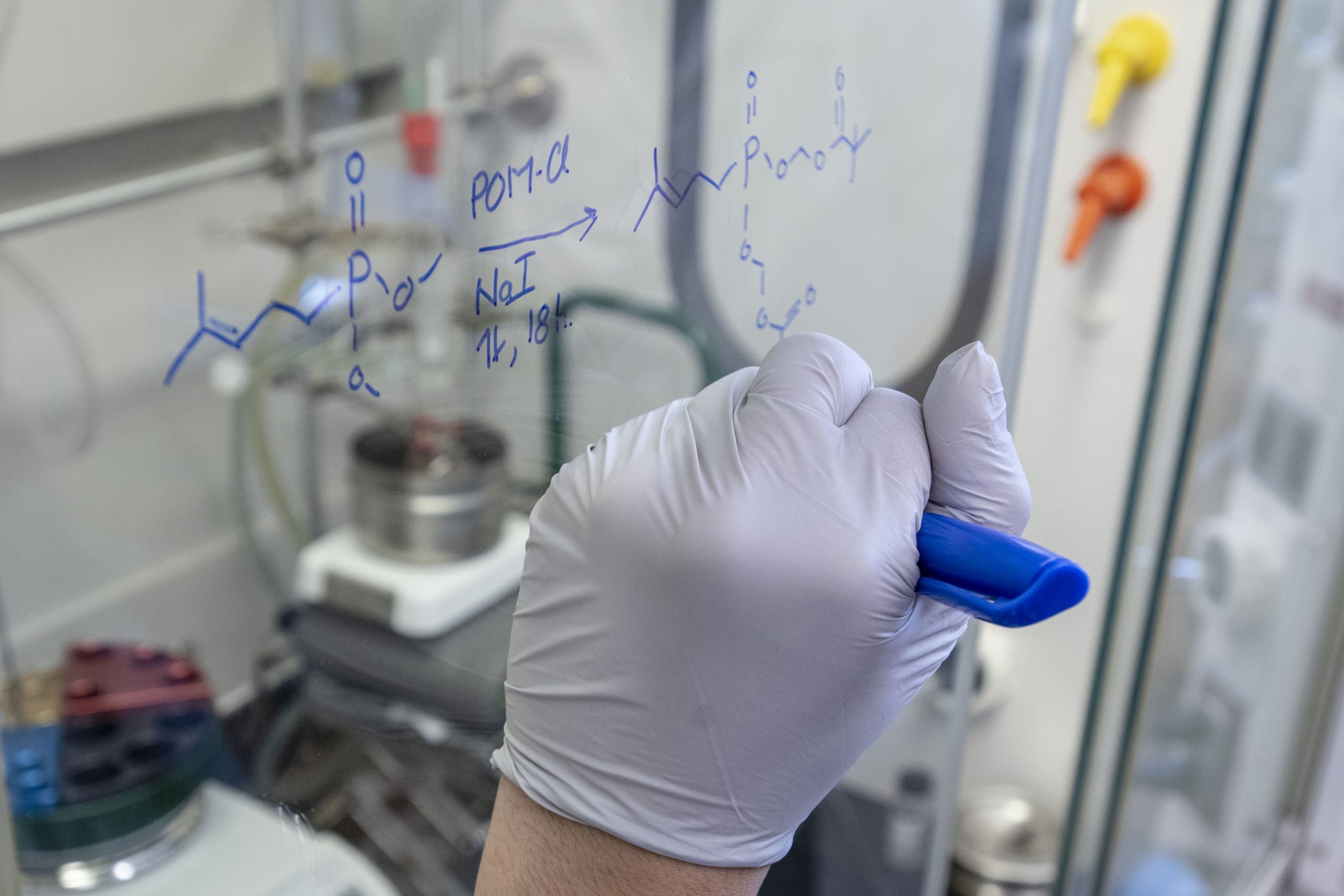
Novel Drug Formulations:
This research domain is centered on improving the delivery and efficacy of therapeutic agents through novel formulations. We design targeted drug delivery systems, such as nanoparticles, sustained-release injections, or brain-penetrant carriers that: 1) Increase the precision of drug delivery to the brain or other relevant tissues, 2) Minimize side effects and improve safety, 3) Extend therapeutic duration and patient adherence. These advances are crucial for optimizing the clinical effectiveness of new and existing addiction medications.
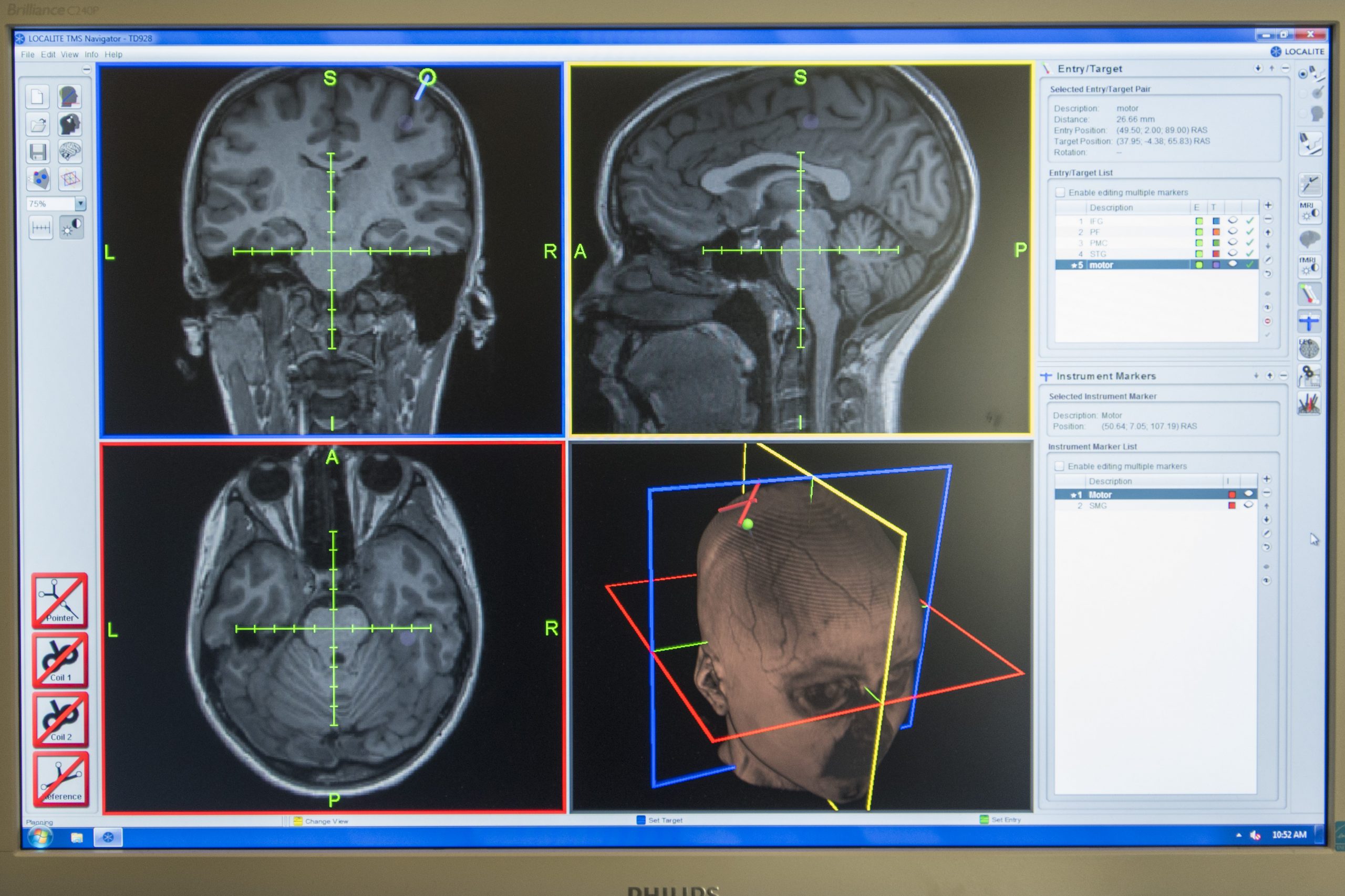
Translational & Clinical Research:
This domain focuses on moving promising findings from preclinical research into clinical studies. We aim to create a close collaboration between basic scientists, clinicians, and regulatory experts to: 1) Design and conduct human trials of novel addiction treatments, 2) Validate biomarkers of treatment response, 3) Assess the real-world effectiveness and safety of interventions.
Recent CASI Publications